
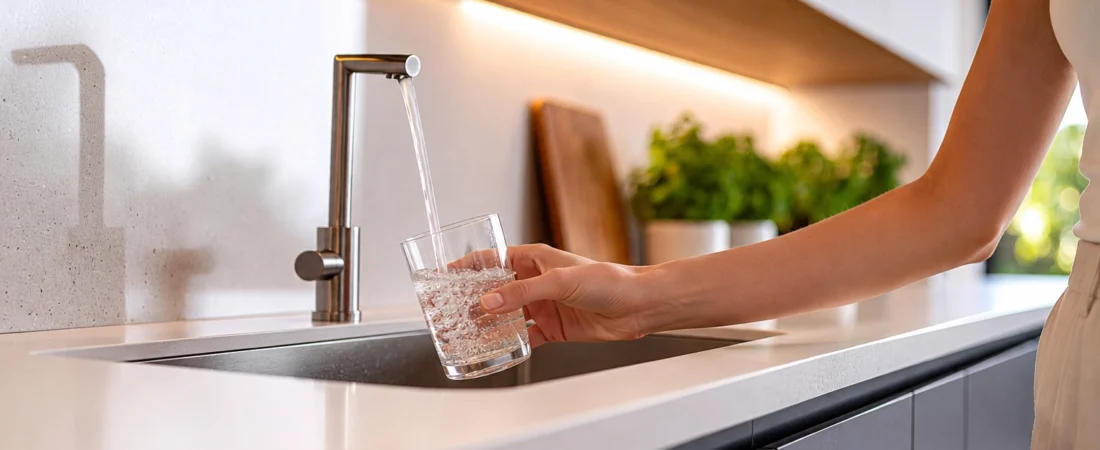
Why Water Filtration Matters
Clean, great-tasting water straight from the faucet should be a given, but for millions, it isn’t. From lead and PFAS “forever chemicals,” to chlorine taste, hard water, and aging pipes, more homeowners are turning to water filtration systems to improve the quality of their drinking water.
PFAS are man-made chemicals that can persist in water, soil, and the body over time, which is why many homeowners specifically look for filters certified to reduce them.
City water users often worry about chemical disinfectants, aging infrastructure, and contaminants from old plumbing. Well owners deal with different problems, including sediment, iron, sulfur smells, bacteria, and mineral-heavy water that can damage appliances.
Homeowners with children want extra protection from contaminants linked to developmental risks. Apartment dwellers want a cleaner, more sustainable alternative to bottled water. Preppers and off-grid users need reliable filtration for emergencies, bug-out bags, or rural properties. Rural and suburban well users often need solutions for hard water, sediment, and mineral buildup.
This guide compares home water filtration systems, including whole house water filtration systems, reverse osmosis systems, under sink water filter options, and well water filtration system setups, how they work, what contaminants they target, and how to choose the right setup for your home.
Affiliate disclosure: Home Water Upgrade may earn a commission if you buy through links on this page, at no extra cost to you. We only recommend products that match the filtration needs discussed in this guide.
Before we review the main options, let’s clarify what filtration actually means and what solutions are available.
Understanding Your Water Filtration Options
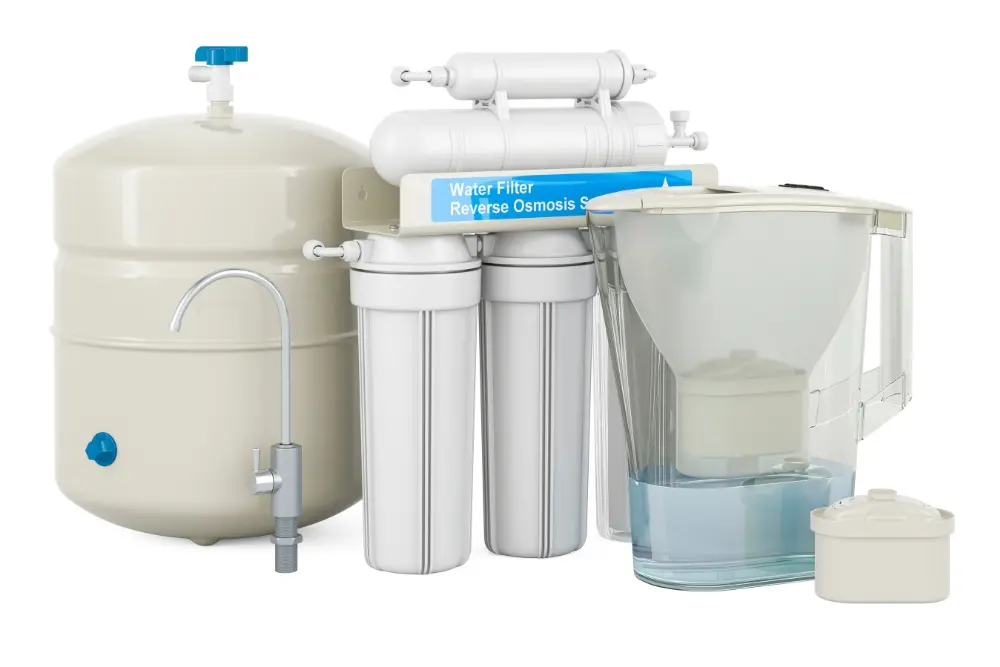
Water filtration systems remove or reduce contaminants that affect water quality, taste, odor, and safety. Some are designed for drinking water only, while others protect the entire home.
With that foundation, let’s look at the main types of systems you’ll encounter.
Pitcher and Dispenser Filters
Gravity-fed pitchers and dispensers like PUR PLUS and ZeroWater use multi-stage filtration with activated carbon and ion-exchange media to help reduce chlorine taste and odor, along with certain metals depending on the filter model. These are usually best for apartments, renters, students, or small households focused mainly on drinking water.
These systems work well for apartments, renters, or smaller households looking for a low-cost starting point. They are not the strongest option for serious contamination issues, but they can be a useful first step for improving everyday drinking water.
Pros:
- Affordable
- Portable
- No plumbing required
- Easy to use
Cons:
- Limited capacity
- Slower flow
- Frequent cartridge replacement
- Not ideal for whole-home water issues
Countertop Filters and Countertop RO Systems
Countertop filters and countertop RO systems like the AquaTru Classic are popular with renters and homeowners who want better drinking water without permanent installation.
Countertop systems vary. Some use carbon, ceramic, or gravity filtration, while countertop reverse osmosis systems use RO to reduce dissolved contaminants. RO models are usually stronger for contaminants such as lead, PFAS, arsenic, fluoride, and nitrates, but performance depends on the specific system and certification.
These systems are especially useful for people who want better drinking water but cannot install an under-sink system.
Pros:
- Strong contaminant reduction with countertop RO models
- No permanent plumbing changes
- Good for apartments and renters
- Easier to set up than many under-sink systems
Cons:
- Takes counter space
- Some models produce wastewater
- Higher cost than pitchers
Faucet-Mounted and Under-Sink Filters
Faucet-mounted filters and under-sink systems provide filtered water on demand for drinking and cooking.
Faucet-mounted options are usually easier to install. Under-sink systems are more permanent and often offer better performance, especially when using multi-stage carbon filtration or reverse osmosis.
Examples include systems like Aquasana AQ-5200 Claryum 2-Stage under-sink filter, the Waterdrop 15UA under-sink filter, and similar certified models.
These are a strong middle-ground option for families and homeowners who want better daily drinking water without installing a whole-house system.
Pros:
- Convenient filtered water on demand
- Better flow than pitchers
- Good for daily drinking and cooking
- Many options are available for lead, chlorine, and PFAS reduction
Cons:
- Under-sink systems may require basic plumbing
- Filter performance varies by model
- Some systems need a separate faucet installation
Whole-House Water Filtration Systems
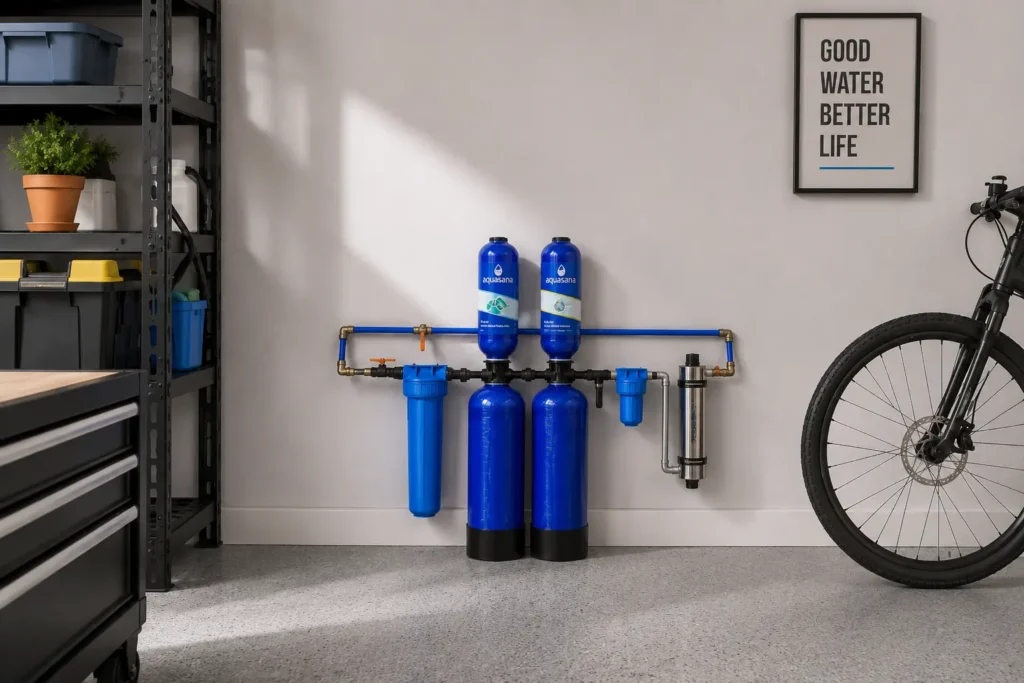
Whole-house water filtration systems filter water at the point where it enters the home. These are also called point-of-entry systems.
Popular brands in this category include SpringWell, Aquasana Rhino, and similar whole-home filtration systems.
Whole-house systems are useful when the problem affects more than drinking water. That includes chlorine smell in showers, sediment in pipes, hard water scale, iron staining, sulfur odors, or well water issues.
A typical setup may include sediment filtration, carbon filtration, UV disinfection, water softening, or specialty filters for iron and sulfur.
Pros:
- Filters water throughout the home
- Helps protect showers, laundry, pipes, and appliances
- Useful for well water and hard water problems
- Can reduce chlorine exposure from municipal water
Cons:
- Higher upfront cost
- Often requires professional installation
- Filter replacement and maintenance matter
Reverse Osmosis (RO) Systems
Reverse osmosis systems are among the strongest options for drinking water filtration.
Popular tank and tankless RO systems such as APEC ROES-50X 5-Stage under-sink reverse osmosis system, Waterdrop G3P600 tankless RO system, and similar models, push water through a membrane to remove dissolved contaminants.
RO systems are especially useful for reducing lead, PFAS, arsenic, nitrates, fluoride, dissolved solids, and poor taste or odor.
Tankless RO systems are becoming more popular because they save space and often provide better flow than older tank-based units.
Pros:
- High contaminant reduction
- Strong option for lead and PFAS
- Excellent for drinking and cooking water
- Often improves taste dramatically
Cons:
- Some systems waste water
- Removes beneficial minerals unless remineralization is added
- Usually costs more than basic carbon filtration
A remineralization cartridge can add minerals like calcium and magnesium back into the water, improving taste and balance.
Specialty and Emergency Water Filtration Options
Some systems are designed for specific problems or emergency use.
Gravity Water Filters
Gravity systems, including Glacier Fresh and similar stainless steel gravity-fed systems, use gravity to move water through filters. They do not require electricity, making them useful for camping, off-grid living, emergency preparedness, and rural use.
UV Disinfection
UV systems use ultraviolet light to neutralize bacteria and viruses. This is especially useful for well water, but UV works best when sediment has already been filtered out.
Water Softeners
Water softeners reduce hard minerals like calcium and magnesium. They do not replace a drinking water filter, but they help reduce scale buildup in pipes, faucets, water heaters, dishwashers, and washing machines.
Sediment Filters
Sediment filters remove sand, rust, dirt, and other particles. They are especially important for well water and are often used before other filtration stages to protect the rest of the system.
Water Filtration Systems Comparison
| System Type | Best For | Strong Against | Pros | Cons | Price Range |
|---|---|---|---|---|---|
| Pitcher & Dispenser | Apartments, small households, beginners | Chlorine, taste/odor, some metals | Affordable, no install, portable | Slow flow, frequent cartridge swaps | $20–$60 |
| Countertop Filters / Countertop RO | Renters, quick setup, health-conscious apartment dwellers | Taste/odor, chlorine, sediment; RO models may reduce PFAS, lead, arsenic, fluoride, and nitrates | High purification, easy assembly | Takes counter space, some wastewater | $200–$500 |
| Faucet-Mounted / Under-Sink | Daily drinking, cooking, families, homeowners | Chlorine, lead, PFAS, VOCs | Convenient, on-demand flow | Basic plumbing may be needed | $80–$400 |
| Whole-House Water Filtration | Full-home protection, families, well-water users | Chlorine, sediment, hard water, some PFAS | Protects showers, laundry, pipes, appliances | Higher cost, often needs plumber | $800–$2,500+ |
| Gravity / Emergency Systems | Off-grid use, emergencies, camping, preppers | Bacteria, cysts, sediment, some chemicals | No electricity needed, portable | Slower filtration | $80–$350 |
Want stronger countertop protection without permanent plumbing? See the AquaTru Classic countertop reverse osmosis system for PFAS, lead, and better-tasting drinking water.
Key Considerations Before Choosing a Water Filter
Test Your Water First
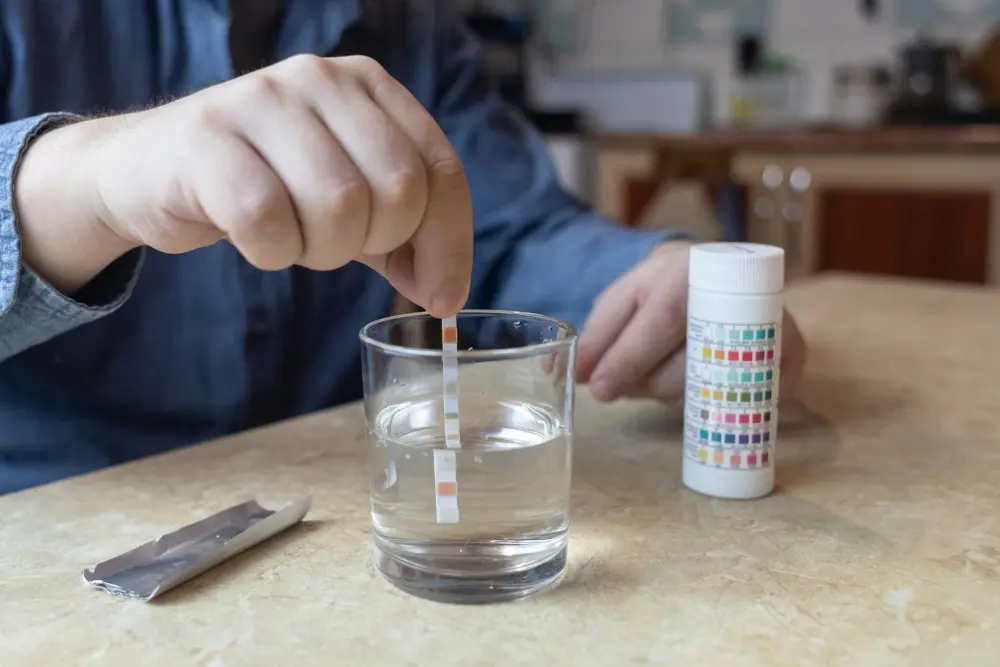
Do not guess what is in your water. Test it first.
Municipal water users should start by reviewing their annual Consumer Confidence Report. This report shows detected contaminants in the local water supply.
Well owners should test more directly because private wells are not monitored the same way as city water. At a minimum, well water should be tested yearly for bacteria, nitrates, hardness, iron, and heavy metals. After flooding, heavy rain, plumbing changes, or changes in taste, smell, or color, testing becomes even more important.
Professional lab testing is usually better than relying only on basic test strips. Kits from companies like Tap Score can help identify issues such as lead, arsenic, iron, hardness, bacteria, VOCs, and other contaminants. For PFAS concerns, use a dedicated PFAS test kit.
Match the System to Your Contaminants
Different filters solve different problems. Buying the wrong system wastes money.
Common Municipal Water Issues
- Chlorine
- Chloramine
- Lead from old pipes
- PFAS
- Bad taste or odor
- Microplastics
- VOCs
Common Well Water Issues
- Sediment
- Iron staining
- Sulfur or rotten egg smell
- Hardness
- Bacteria
- Nitrates
- Arsenic
Carbon filters are commonly used to remove chlorine, taste and odor, and some chemical contaminants. Reverse osmosis is more effective at removing dissolved contaminants such as lead, PFAS, arsenic, and nitrates. Sediment pre-filters help protect more advanced systems by removing particles first.
Consider Your Household and Lifestyle
The best water filtration setup depends on how you use water.
Families With Children
Prioritize certified lead and PFAS reduction for drinking water.
Apartment Dwellers
Countertop, faucet-mounted, or pitcher systems are usually easier because they do not require major installation.
Rural and Well Water Users
A whole-house system with sediment filtration, iron treatment, softening, and RO drinking water may be needed.
Preppers and Off-Grid Users
Gravity systems and portable filters are useful because they can work without electricity.
Homeowners With Hard Water
A water softener can protect appliances and reduce scale buildup, but it may need to be paired with a drinking water filter.
Certifications Matter
Filter claims are not enough. Look for independent certifications.
Important standards include:
- NSF/ANSI 42 — taste and odor reduction
- NSF/ANSI 53 — health-related contaminant reduction, including lead
- NSF/ANSI 58 — reverse osmosis systems
- NSF/ANSI 401 — emerging contaminants, including some pharmaceuticals
For PFAS, lead, and other serious contaminants, certification matters more than marketing language.
Not sure what’s in your water? Start with a professional water test kit like the Tap Score Advanced Home Water Test Kit, then compare systems certified for your specific contaminants.
Quick Decision Guide
| Your Situation | Best Starting Point |
| Concerned about lead or PFAS | Reverse osmosis or certified under-sink system |
| Hate chlorine taste | Carbon filter |
| Apartment or rental | Countertop filter, countertop RO, faucet filter, or pitcher |
| Well water with sediment | Sediment filter + whole-house system |
| Hard water scale | Water softener |
| Emergency preparedness | Gravity-fed filter |
| Full-home protection | Whole-house filtration system |
For PFAS, lead, and other serious contaminants, certification matters more than marketing language.
Step-by-Step Guide to Setting Up Water Filtration
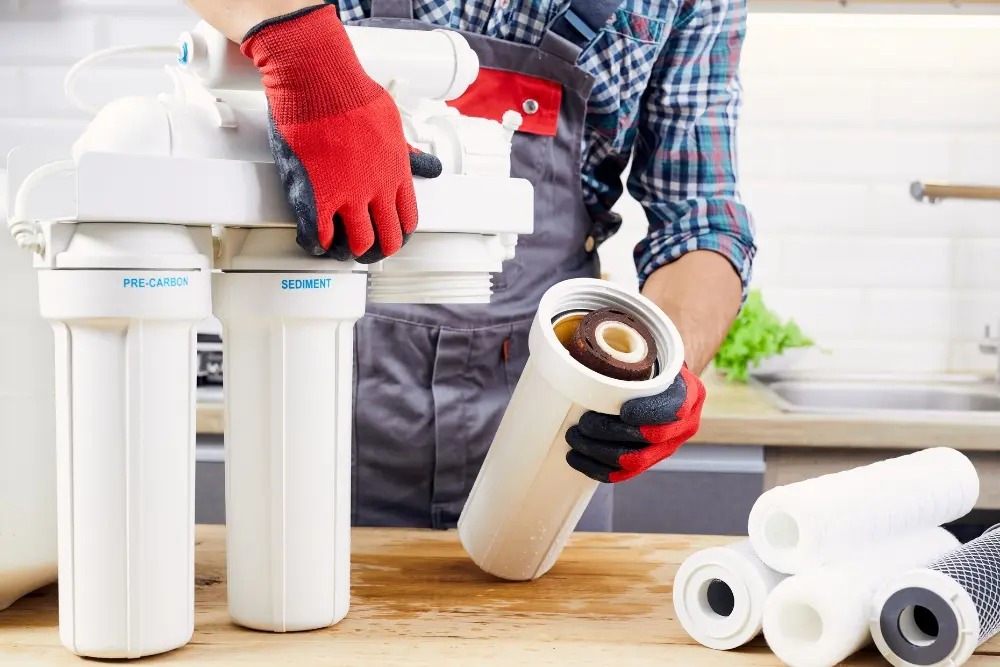
1. Test and Identify Your Needs
Start with a water test.
For city water, check your Consumer Confidence Report first. Then consider point-of-use testing if you are concerned about lead from your own plumbing.
For well water, test annually and after major weather events, flooding, or changes in taste, smell, or color.
Write down the main issues you need to solve.
Examples:
- Lead
- PFAS
- Chlorine taste
- Iron stains
- Sulfur smell
- Sediment
- Hard water
- Bacteria
- Arsenic
- Nitrates
2. Decide What You Want to Filter
You need to know whether you want:
- Drinking water only
- Cooking water
- Shower and bath water
- Laundry water
- Whole-home protection
- Emergency backup filtration
A pitcher or countertop system may be enough for drinking water. A whole-house system is better when the water problem affects plumbing, appliances, showers, or laundry.
3. Choose the Right Type of System
Once you know the problem, match the system to the job.
Examples:
- Chlorine taste: carbon filter
- Lead and PFAS: certified RO or under-sink system
- Sediment: sediment pre-filter
- Hard water: water softener
- Bacteria: UV system
- Well water: whole-house setup plus drinking water RO
Many homes benefit from layering systems. For example, a whole-house sediment and carbon filter can protect the home, while an under-sink RO system handles drinking water.
4. Compare Products Carefully
Before buying, compare:
- Certifications
- Contaminants reduced
- Filter lifespan
- Replacement filter cost
- Flow rate
- Warranty
- Installation requirements
- Customer reviews
- Water waste ratio for RO systems
Do not buy only because a system is cheap. Low-cost filters often fail where it matters most.
5. Install the System Correctly
Pitchers and countertop systems are usually simple. Flush the filter according to the manufacturer’s instructions before drinking the water.
Under-sink and RO systems usually require connecting tubing and fittings. These can be DIY-friendly, but leaks are possible if fittings are not seated correctly.
Whole-house systems are usually installed after the main shutoff valve and before the water heater. Professional installation is often worth it for these systems.
For well water, sediment filtration is usually the first step to protect downstream filters.
6. Test and Monitor After Installation
After installation:
- Check for leaks
- Flush the system
- Monitor taste and odor
- Retest the water if needed
- Watch for pressure drops
Pressure drops can signal clogged filters or poor system sizing.
7. Maintain the System
Maintenance is not optional.
Filters need replacing on schedule. Old cartridges can lose effectiveness, reduce flow, or create water quality problems.
Set reminders for:
- Cartridge replacement
- RO membrane replacement
- UV bulb replacement
- Sediment filter changes
- Annual water testing
- Whole-house system checks
Need full-home protection? See whole-house options like SpringWell and Aquasana Rhino for chlorine, sediment, hard water, and well water issues.
Expert Tips for Better Results
Layer Filtration for Stronger Protection
For many homes, one filter is not enough.
A strong setup may include:
- Sediment pre-filter
- Whole-house carbon filter
- Water softener
- UV system for well water
- Under-sink RO for drinking water
This provides better overall coverage than relying on a single basic filter to solve everything.
Use RO for Drinking Water, Not Always the Whole House
Reverse osmosis is excellent for drinking water, but whole-house RO is expensive and unnecessary for most homes.
A practical setup is often:
- Whole-house filtration for general water quality
- RO under the sink for drinking and cooking
Add Remineralization if RO Water Tastes Flat
RO water can taste flat because minerals are removed during filtration.
A remineralization stage can improve taste by adding calcium and magnesium and by slightly raising the pH.
Protect RO Membranes With Pre-Filtration
Sediment, iron, and hardness can shorten the life of RO membranes.
If you have well water, use sediment filtration and other pre-treatment before RO.
Watch Replacement Filter Costs
Some systems are cheap upfront but expensive over time.
Before buying, check:
- Cartridge price
- Replacement schedule
- Filter capacity
- Membrane lifespan
- Availability of replacement parts
Retest Well Water After Heavy Rain
Well water can change after storms, flooding, drought, or nearby land activity.
If smell, color, or taste changes, test again.
Do Not Ignore Hard Water
Hard water can damage appliances, reduce water heater efficiency, and leave scale on fixtures.
A softener does not replace a drinking water filter, but it can protect your plumbing and appliances.
Common Mistakes to Avoid
Skipping the Water Test
This is the biggest mistake.
Without testing, you may buy a filter that improves taste but does nothing for the real problem.
Assuming Every Filter Removes Everything
No filter removes every contaminant.
A pitcher may reduce chlorine taste but may not solve PFAS, arsenic, nitrates, bacteria, or hard water.
Match the system to the contaminant.
Choosing on Price Alone
Cheap filters can be fine for taste and odor, but serious contaminants require stronger filtration and certifications.
For lead, PFAS, arsenic, and nitrates, performance matters more than price.
Ignoring Maintenance
A neglected filter is not reliable.
Old filters can clog, reduce flow, and lose their ability to reduce contaminants.
Forgetting Sediment Pre-Filtration
Sediment can damage or clog more expensive systems.
This is especially important for well water.
Thinking Boiling Fixes Chemical Contaminants
Boiling can kill many microbes, but it does not remove lead, PFAS, arsenic, nitrates, or many chemical contaminants.
In some cases, boiling can concentrate contaminants as water evaporates.
Installing Complex Systems Incorrectly
Incorrect installation can cause leaks, low pressure, or poor filtration.
For whole-house systems, advanced RO setups, and well water treatment systems, hiring a professional can prevent expensive mistakes.
Ready to upgrade your drinking water? See the Waterdrop G3P600 tankless RO system or the Aquasana AQ-5200 Claryum 2-Stage under-sink filter for lead, PFAS, chlorine taste, and other serious water quality concerns.
Conclusion
The right water filtration system can improve taste, reduce contaminants, protect appliances, and reduce dependence on bottled water.
The best system depends on your water source, your contaminants, your budget, and how much of your home you want to protect. A renter may only need a countertop RO system. A family concerned about lead and PFAS may choose an under-sink reverse osmosis system. A well water household may need a whole-house setup with sediment filtration, softening, and UV treatment.
Start simple: test your water, identify the main problems, choose a system that matches those problems, install it correctly, and maintain it properly.
Cleaner, better-tasting water is not just about convenience. For many homes, it is a practical upgrade for health, comfort, appliances, and long-term savings.
Need portable options for camping, travel, emergencies, or off-grid living? See gravity-fed water filtration systems built for backup protection.